Compare · Choose · Connect

Tarot vs. Oracle Cards

Mystical Tarot cards and a candle arranged on a celestial blue reading table

Tarot and Oracle cards both offer reflective ways to explore questions, patterns, and possibilities, but they differ in structure, symbolism, and reading style. Understanding those differences can help you choose the system that best fits the kind of guidance you are seeking.

The Direct Answer

A shared tradition. A deck’s own language.

Tarot follows an established 78-card symbolic system. Each Oracle deck’s creator defines its card count, imagery, themes, and meanings.

Tarot

A layered symbolic language for deeper reflection.

  • Established archetypes
  • Shared 78-card structure
  • Layered interpretation
  • Rewards deeper study

Oracle

A flexible language defined by each individual deck.

  • Flexible deck structure
  • Creator-defined themes
  • Deck-specific meanings
  • A gentler starting point

Tarot and Oracle Cards Comparison

The Essence

Tarot

A structured 78-card system rooted in archetypes, elemental suits, numerical patterns, and centuries of evolving interpretation.

Oracle Cards

An open-ended category of decks whose card count, imagery, themes, and reading method are defined by each individual creator.

Deck Structure1 of 8

Deck Structure

Tarot

Traditionally 78 cards: 22 Major Arcana and 56 Minor Arcana divided among Wands, Cups, Swords, and Pentacles.

Oracle Cards

Varies by deck. Oracle decks may contain a small focused collection or a much larger set, with no required card count, suits, or arcana.
Symbolism & Themes

Tarot

Built around recurring archetypes, numbers, elemental suits, court cards, and established symbolic relationships.

Oracle Cards

Themes depend entirely on the deck and may explore nature, affirmations, animals, mythology, emotions, spirituality, creativity, or another focused subject.

Meaning System

Tarot

Cards have recognizable traditional meanings that readers interpret through context, position, surrounding cards, personal reflection, and deck imagery.

Oracle Cards

Meanings are usually specific to the deck creator’s intended system and accompanying guidebook, although readers may also develop personal associations.

Flexibility

Tarot

Flexible in interpretation, but grounded within a shared structure that remains recognizable across most Tarot decks.

Oracle Cards

Highly flexible because every deck can define its own structure, tone, card relationships, and reading approach.

Reading Style

Tarot

Often layered, narrative, archetypal, and suited to questions that benefit from reflection, complexity, and multiple perspectives.

Oracle Cards

Often direct, thematic, encouraging, or focused, depending on the deck’s purpose and the creator’s interpretive style.

Reversals

Tarot

Some readers use reversed cards to explore blocked, delayed, internalized, imbalanced, or redirected expressions of a card’s energy.

Oracle Cards

Reversals depend upon the individual deck. Some creators include them, while many Oracle systems are intended to be read upright.

Learning Curve

Tarot

Requires learning a consistent symbolic system, but that knowledge transfers across many Tarot decks.

Oracle Cards

May be easier to begin with, though every new deck can introduce a different vocabulary and interpretive framework.

Ideal Use Cases

Tarot

Well suited to layered reflection, personal growth, relationship dynamics, career questions, patterns, choices, and complex spreads.

Oracle Cards

Well suited to focused themes, daily reflection, affirmations, concise prompts, creative inspiration, and deck-specific guidance.

A Shared Symbolic Language

Tarot Examples

Examples from Astral Veil’s 78-card Tarot library.

Deck-Specific Possibilities

Oracle of the Living Veil Examples

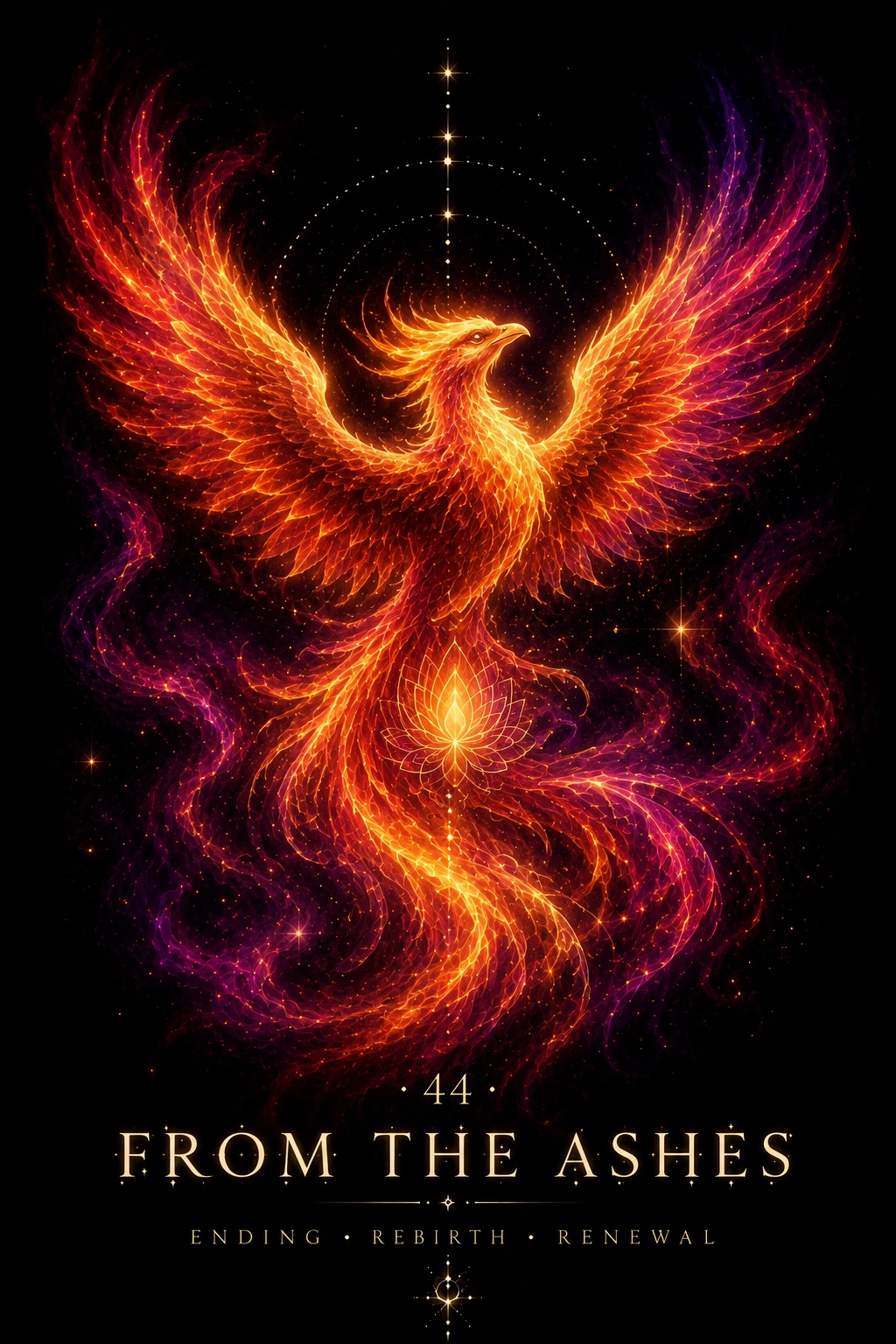
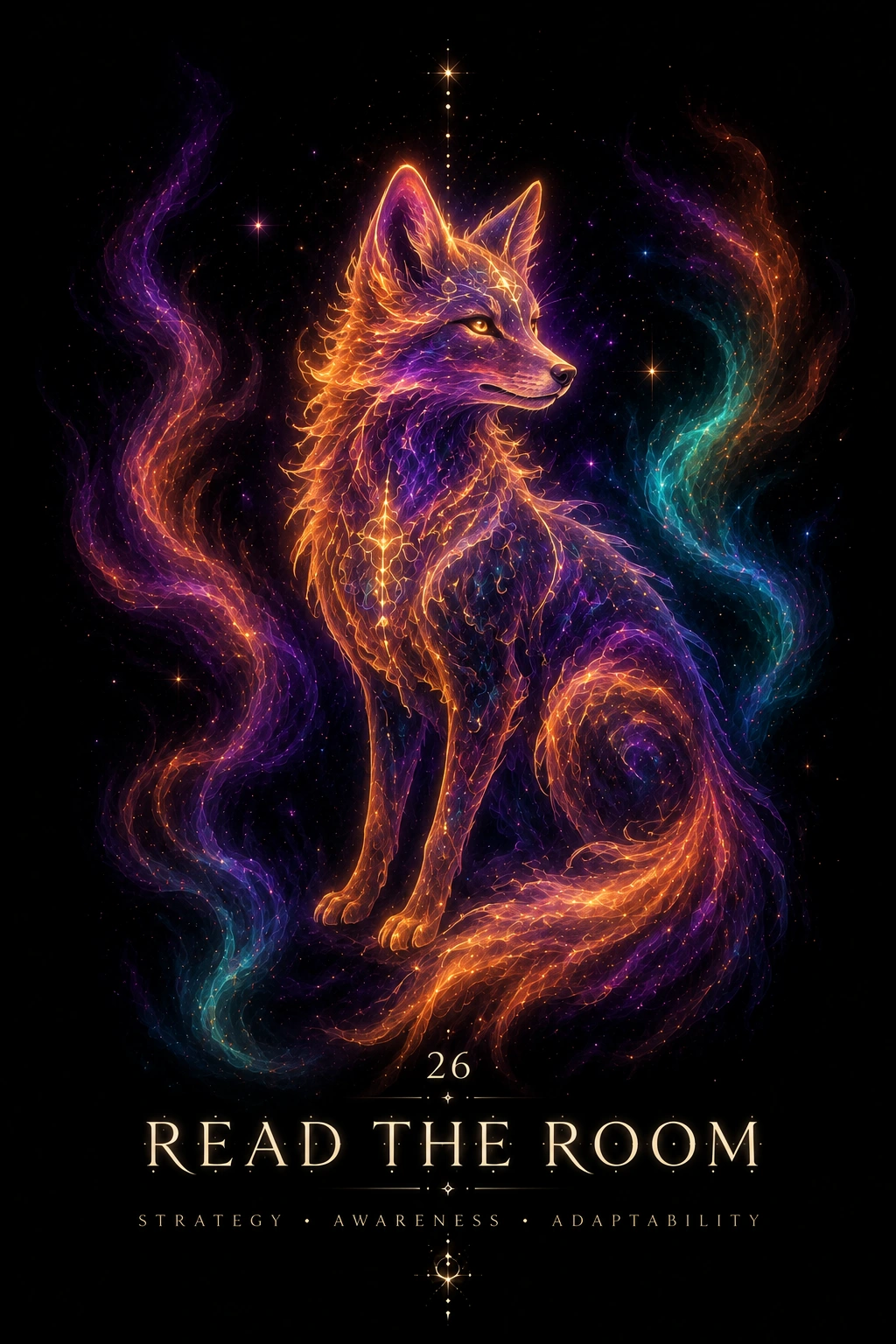
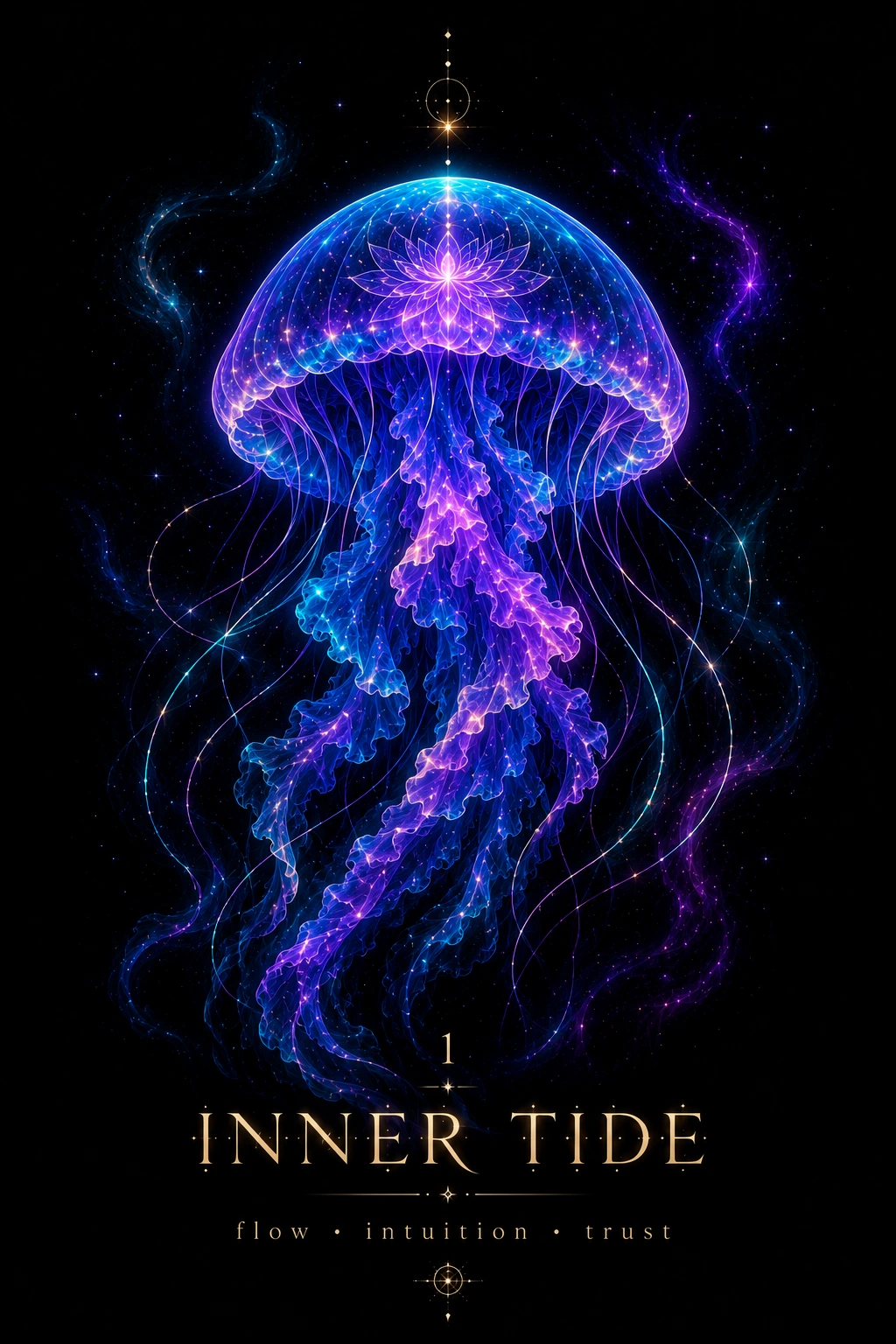
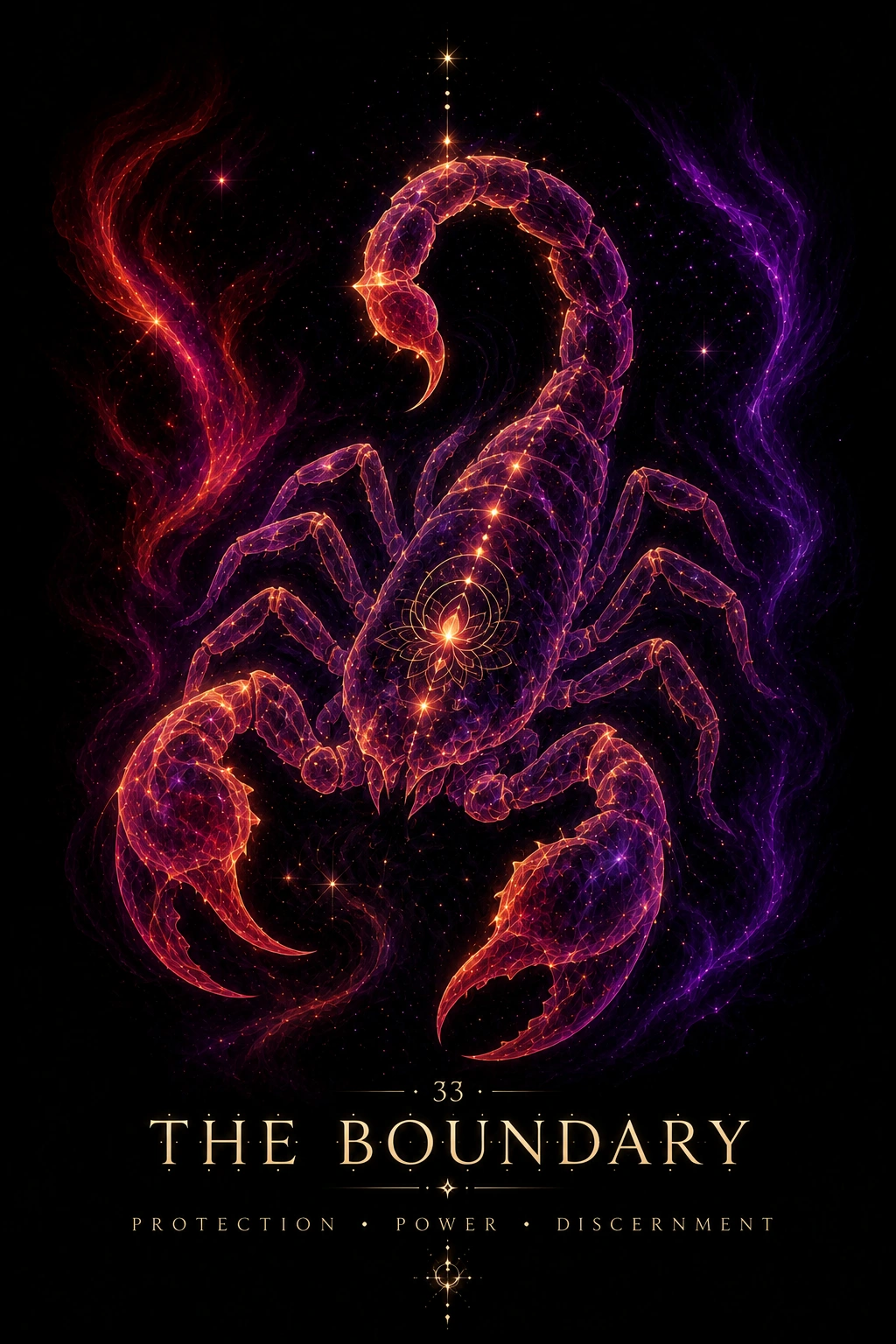
Real cards from Astral Veil’s 44-card Oracle deck, where luminous creature Guides offer deck-defined guidance, warning, and reflection.

Choose the Language That Fits

Which Path Calls to You?

Neither system is universally better. The stronger choice is the one whose structure, symbolism, and reading style support the question you are asking and the way you prefer to reflect.

Choose Tarot if you want:

  • A consistent 78-card structure
  • Archetypal and symbolic depth
  • A system that rewards long-term study
  • Complex narratives and multi-card spreads
  • Meanings that transfer between decks

Choose Oracle Cards if you want:

  • A deck built around one specific theme
  • Greater freedom in card count and structure
  • Direct prompts or focused reflection
  • A gentler introduction to card reading
  • A deck whose tone strongly reflects its creator

Working in Sequence

Can Tarot and Oracle Cards Be Used Together?

Yes. Some readers use Tarot as the primary structured reading and draw an Oracle card afterward as a theme, closing reflection, or practical prompt. The systems should remain distinguishable so the Oracle card supports the reading rather than replacing the Tarot narrative.

  1. 01

    Ask the question

  2. 02

    Complete the Tarot spread

  3. 03

    Interpret the Tarot narrative

  4. 04

    Draw one Oracle card as a final theme or reflection

Tarot and Oracle FAQ

Questions About Tarot vs. Oracle Cards

Both systems can support reflection without offering supernatural certainty. Their usefulness depends on the deck, the question, and the care brought to interpretation.