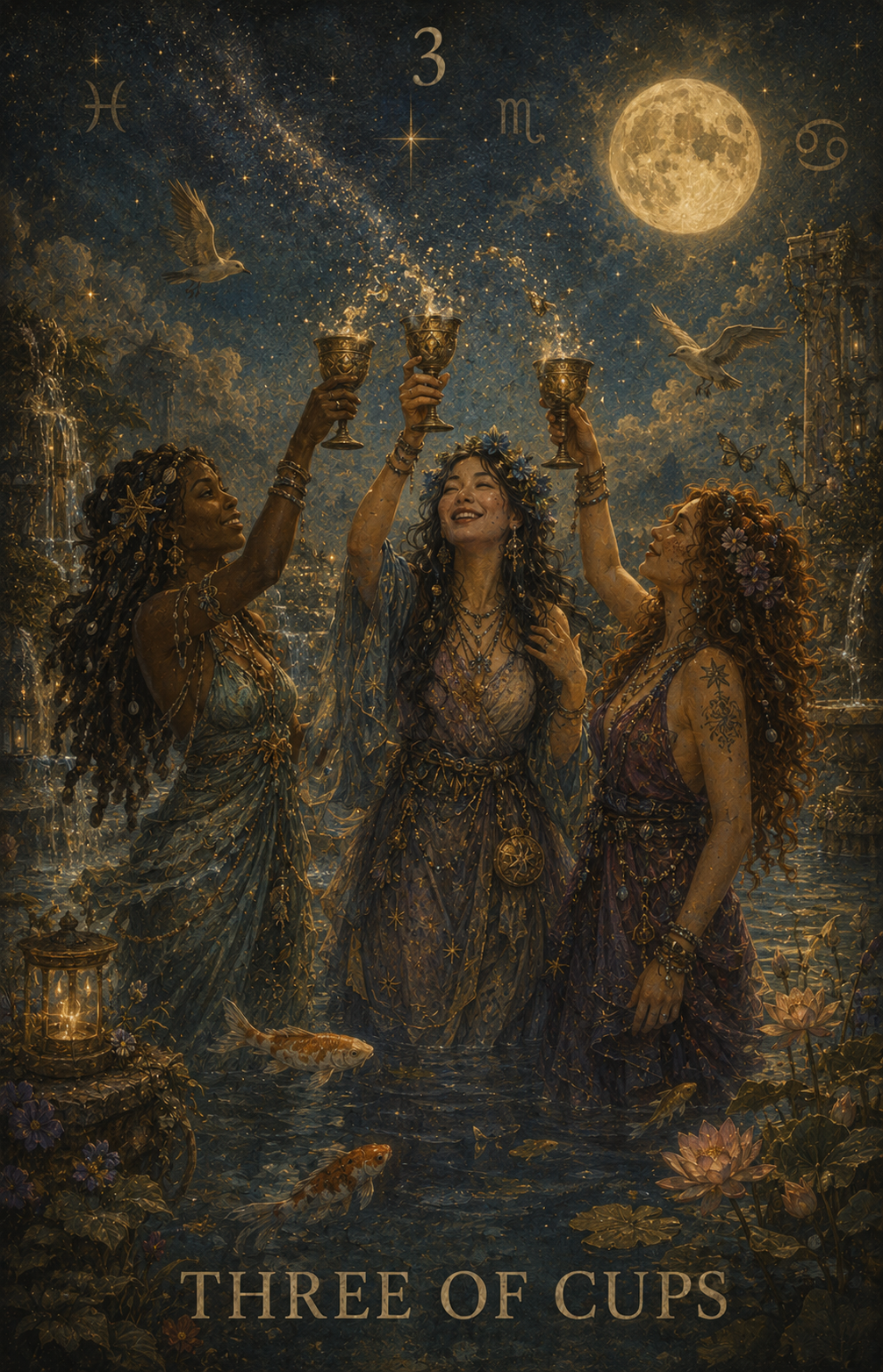
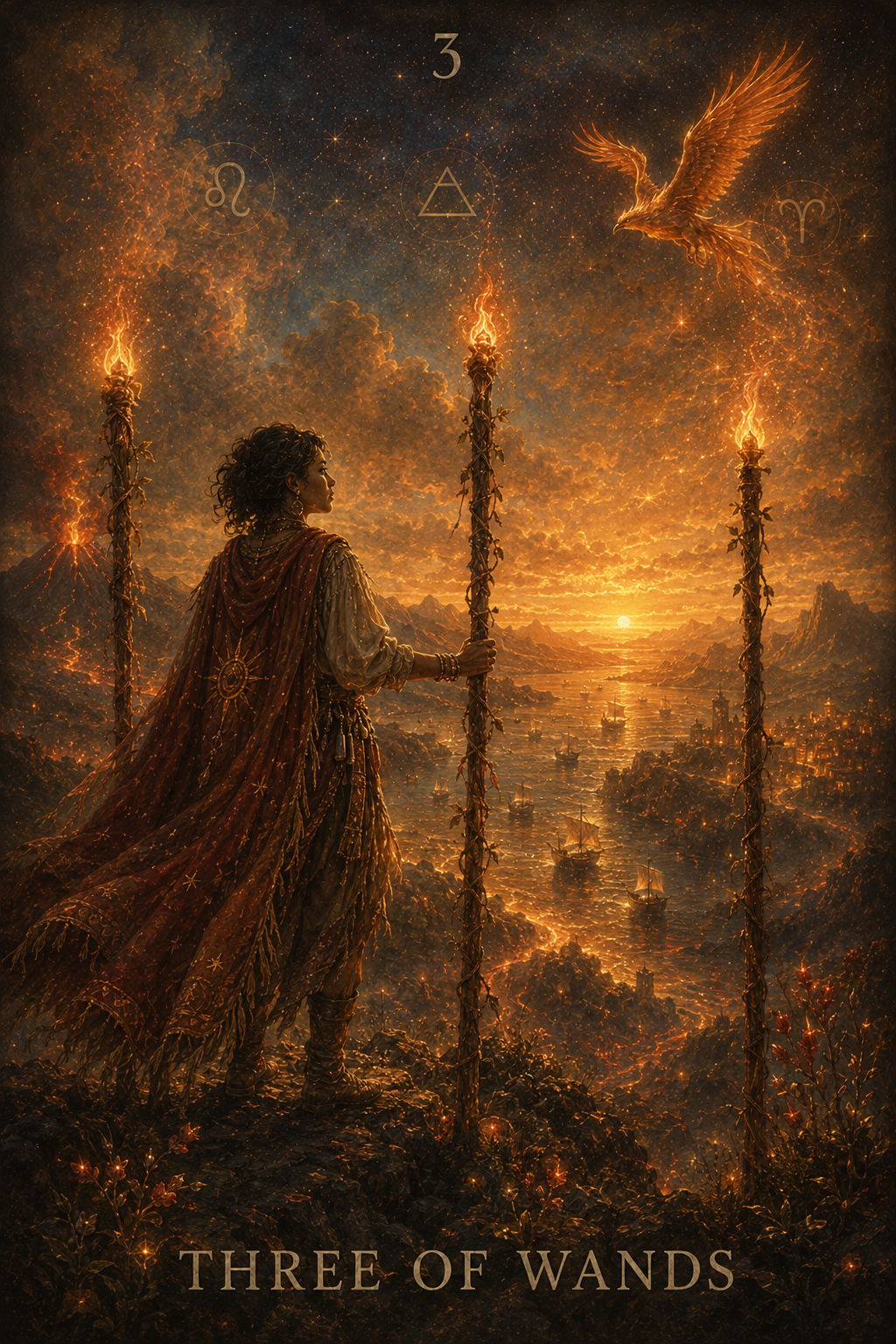
Hands arranging tarot cards beside candles and crystals during a reflective reading

The Art of Interpretation

How to Read Tarot Cards

Learn how to ask clear questions, choose a spread, interpret individual cards, and read the full arrangement as one connected story.

Observation becomes interpretation one layer at a time.

Begin with the foundations, deepen your understanding of card relationships, or explore advanced methods of symbolic synthesis.

Beginner to Advanced · Step-by-Step Guide · Reflection & Entertainment

Begin a Tarot Reading

Choose Your Depth

One Path, Three Ways to Learn

How to Read Tarot Cards for Beginners

Learn the full reading process from the ground up with clear explanations and guided examples.

Nine-Part Learning Path

A Map for Reading Tarot

Follow the path in order or choose the lesson that calls to you. Each star opens one part of the reading process.

    Ethics + Boundaries

    Reading with Care and Perspective

    • Tarot offers interpretation, not guaranteed certainty.

    • Be honest about ambiguity and reader bias.

    • Respect privacy, consent, and personal agency.

    • Do not use readings to control others or replace professional care.

    Tarot readings and educational content on Astral Veil are offered for entertainment and personal reflection.

    They are not a substitute for professional medical, legal, financial, or mental-health advice.

    Questions Along the Way

    How to Read Tarot: Frequently Asked Questions

    Clear, balanced answers for building a thoughtful reading practice.

    No. Begin with imagery, suit, number, and position, then use reference meanings to deepen what you notice. Familiarity grows through repeated practice.

    No. Tarot reading can be practiced as careful observation, symbolic interpretation, reflection, and storytelling.

    A one-card or three-card spread is usually the clearest place to begin because every position remains easy to track.

    Reversals are optional. If you use them, read them as possible delay, resistance, imbalance, or internalization rather than automatically negative meanings.

    Yes. Record expectations before drawing and revisit the reading later to notice confirmation bias and preserve perspective.

    Read each card in position, notice repeated suits, numbers, figures, and directions, then summarize the spread in one sentence.

    Describe the image without interpreting it, check its assigned position, and allow uncertainty to remain. Clarity does not need to be forced.

    Short, consistent practice is more useful than repeating many readings about the same issue. One card and a few notes can be enough.

    Tarot can explore patterns and possible directions, but it does not guarantee a fixed future. Choices and circumstances can change.

    Astral Veil offers tarot for entertainment, personal reflection, creative exploration, and self-inquiry—not as a substitute for professional advice.

    The Next Card Is Yours

    Practice the Language of the Cards

    Choose a path and continue with attention, curiosity, and room for uncertainty.

    For entertainment, personal reflection, creative exploration, and self-inquiry. Not a substitute for professional advice.