Compare · Read · Understand

Tarot vs. Lenormand

Lenormand cards arranged beside candles and a crystal sphere on a midnight-blue celestial table

Tarot and Lenormand are both card-reading systems, but they speak in different languages. Tarot explores archetypes, inner patterns, and layered symbolic meaning, while Lenormand combines practical symbols to describe situations, relationships, movement, and everyday circumstances more directly.

The Direct Answer

Tarot explores layers. Lenormand connects symbols.

Tarot’s 78 cards explore archetypes and layered meaning. Lenormand’s 36 everyday symbols form practical statements through combinations, order, and proximity.

Tarot

A layered symbolic language for deeper reflection.

  • Established archetypes
  • Shared 78-card structure
  • Layered interpretation
  • Rewards deeper study

Lenormand

Practical details shaped by how cards interact.

  • 36 everyday symbols
  • Combination reading
  • Order and proximity
  • Concise situational answers

Tarot and Lenormand Comparison

The Essence

Tarot

A structured 78-card system using archetypes, elemental suits, numbers, court cards, and layered meanings to explore experiences from multiple perspectives.

Lenormand

A 36-card system using recognizable everyday symbols that become increasingly specific when read through sequence, proximity, and combination.

Deck Structure1 of 9

Deck Structure

Tarot

Traditionally 78 cards: 22 Major Arcana and 56 Minor Arcana divided among Wands, Cups, Swords, and Pentacles, including sixteen court cards.

Lenormand

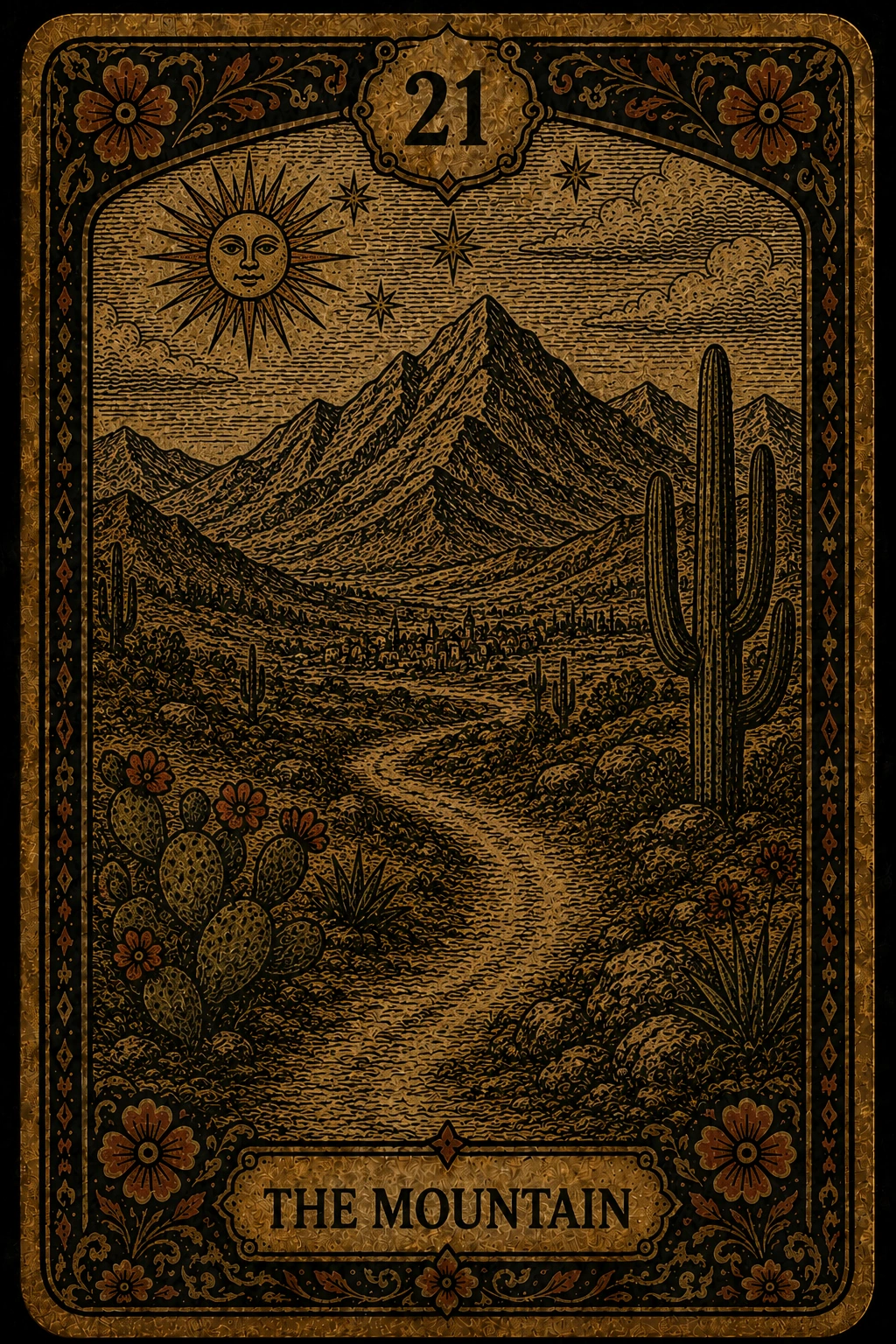
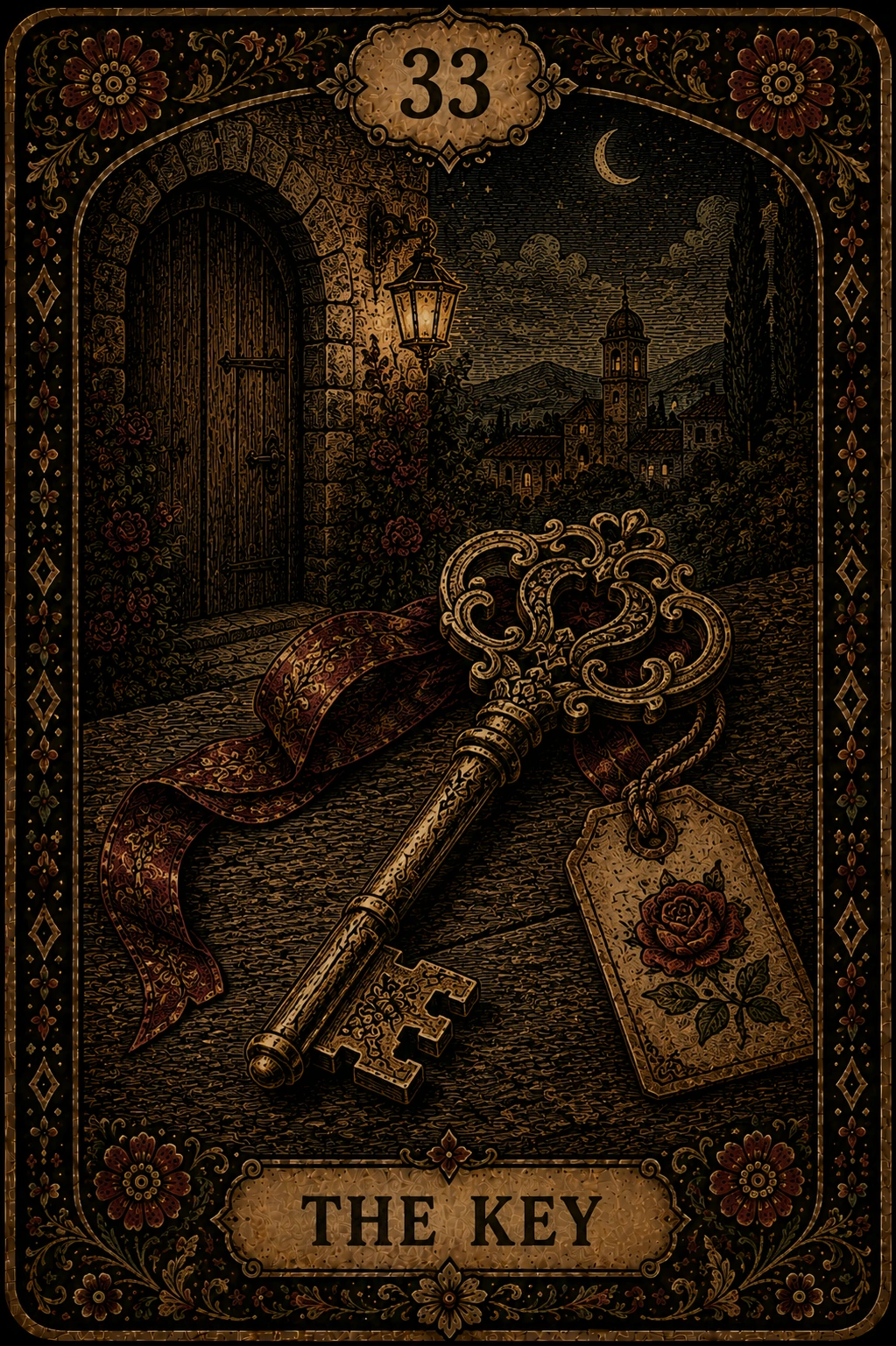
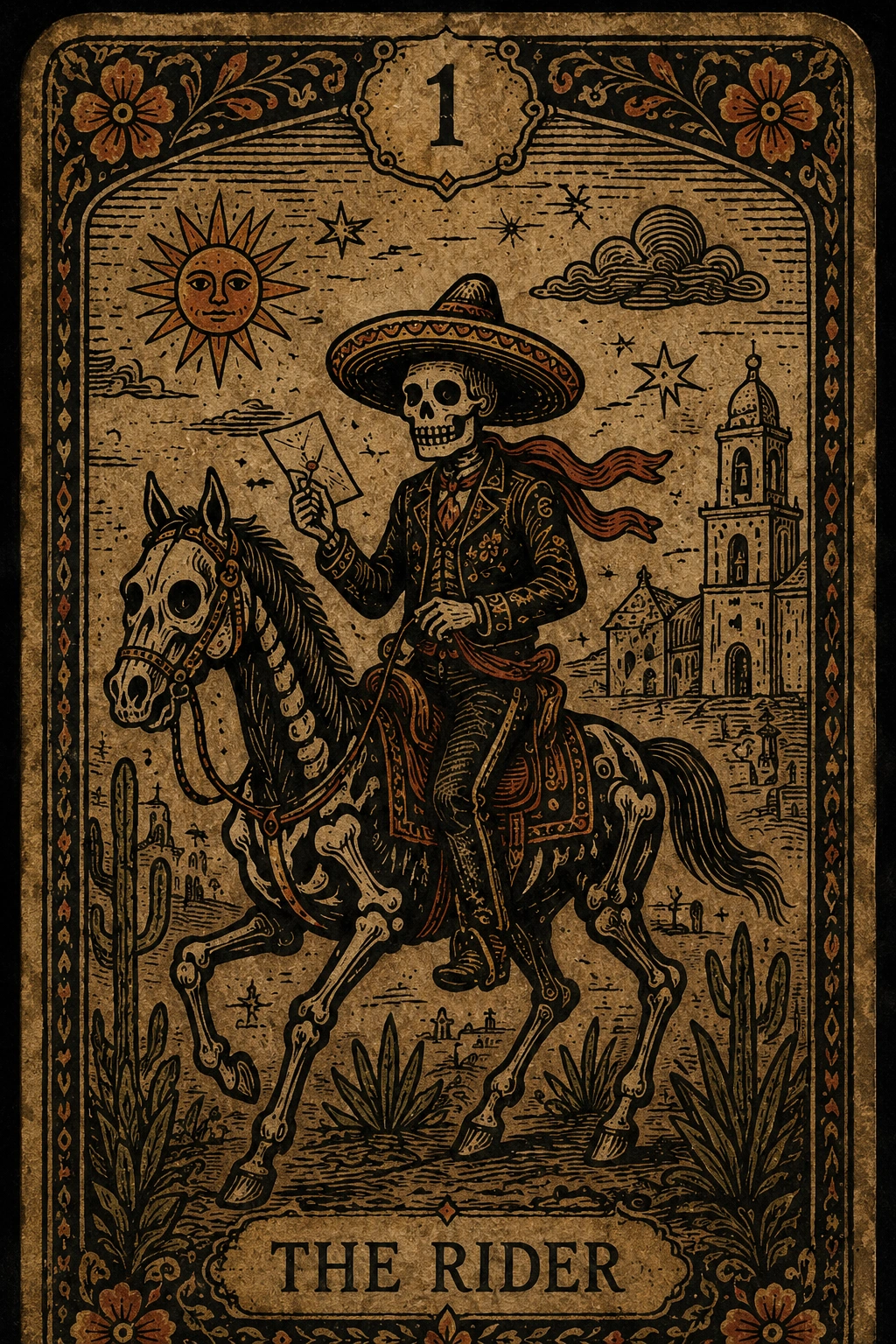
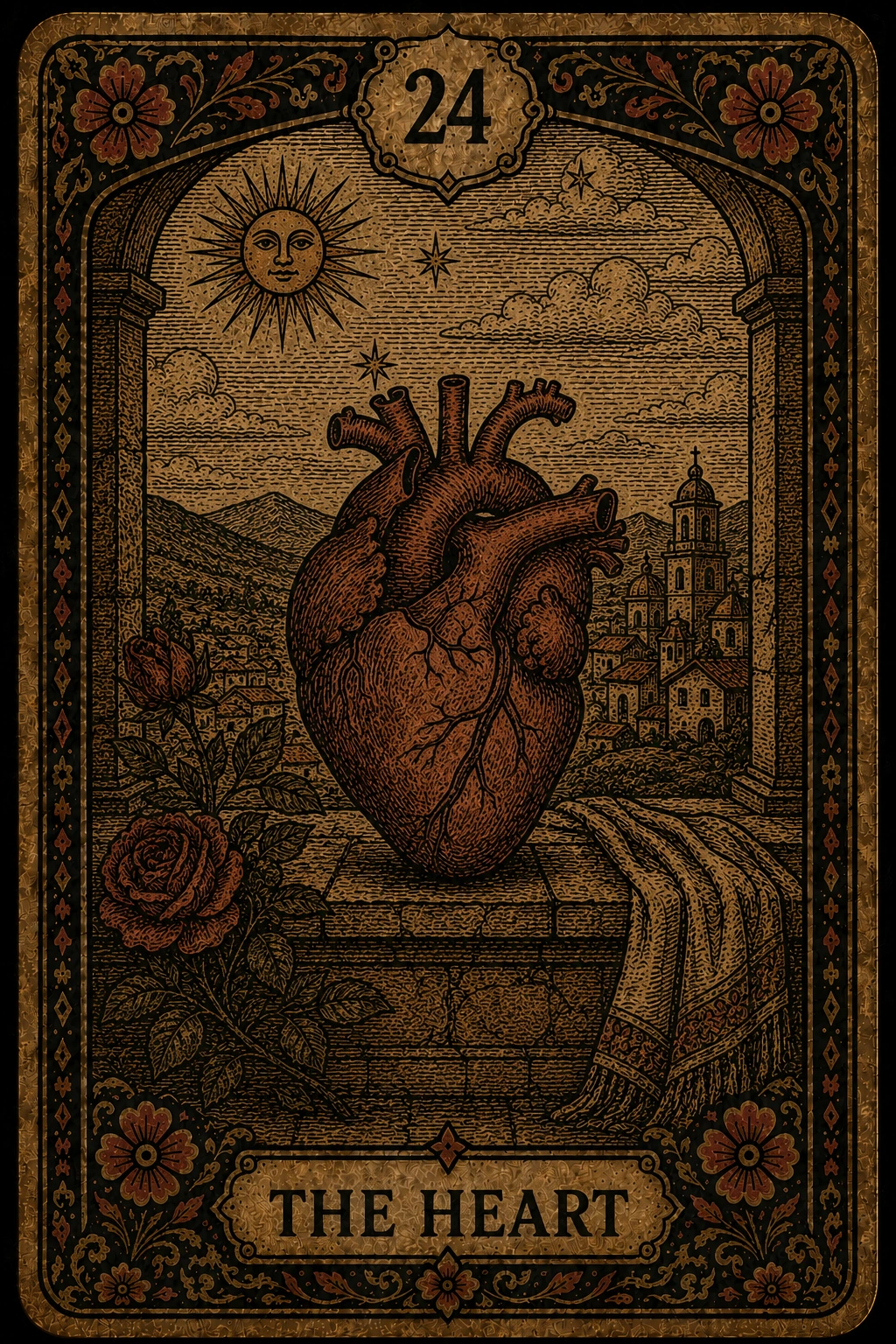
Traditionally 36 cards, each centered on a practical symbol such as the Rider, Clover, Ship, House, Tree, Fox, Key, Heart, Coffin, or Cross.
Symbolic Language

Tarot

Uses layered archetypes, elemental associations, numbers, figures, scenes, and symbolic relationships that can support psychological, spiritual, and narrative interpretation.

Lenormand

Uses direct recognizable symbols from everyday life. Individual symbols are concise, while neighboring cards shape how their meaning becomes specific.

Reading Method

Tarot

Each card can carry substantial meaning on its own, while position, orientation, surrounding cards, imagery, and the question deepen the reading.

Lenormand

Cards are commonly read in sequence and combination. Meaning often depends less on one isolated card and more on how nearby symbols modify one another.

Card Combinations

Tarot

Combinations add layers and narrative relationships, but individual cards still retain strong independent meanings.

Lenormand

Combinations are central. A card’s meaning can change substantially depending on which symbols appear before, after, or beside it.

Reversals

Tarot

Some readers use reversed cards to explore blocked, delayed, internalized, imbalanced, or redirected expressions of a card’s energy.

Lenormand

Traditional Lenormand generally does not rely on reversed cards. Direction, position, distance, and neighboring combinations provide the changing context.

Timing

Tarot

Timing may be approached symbolically through card energy, numbers, suits, astrology, or the development shown across a spread, but methods differ.

Lenormand

Timing is often approached more directly through card speed, distance, sequence, traditional associations, and the practical circumstances shown in the spread.

Question Style

Tarot

Well suited to reflective questions involving patterns, emotional dynamics, personal development, meaning, choices, and complex inner experience.

Lenormand

Well suited to focused situational questions involving communication, movement, work, relationships, obstacles, decisions, practical developments, and likely directions.

Learning Curve

Tarot

Requires learning a larger shared symbolic system, but that understanding transfers across many Tarot decks and reading styles.

Lenormand

Uses fewer cards and simpler individual symbols, but fluent reading requires learning combinations, sentence-like sequences, houses, proximity, and spread techniques.

Ideal Use Cases

Tarot

Layered reflection, personal growth, relationship dynamics, career questions, emotional exploration, archetypal study, and complex multi-card narratives.

Lenormand

Direct situational reading, practical questions, concise developments, communication, timing, everyday circumstances, and detailed combination-based spreads.

Choose the Language That Fits

Which Path Calls to You?

Neither system is universally better. The stronger choice depends on whether you want layered archetypal reflection or a direct symbolic language built through combinations and practical context.

Choose Tarot if you want:

  • A consistent 78-card structure
  • Archetypal and psychological depth
  • Cards with strong independent meanings
  • Layered narratives and reflective spreads
  • A system that transfers across many decks

Choose Lenormand if you want:

  • A concise 36-card symbolic vocabulary
  • Practical and situational questions
  • Meanings shaped strongly through combinations
  • Direct language and observable circumstances
  • Detailed sequence and proximity-based readings

Working in Sequence

Can Tarot and Lenormand Be Used Together?

Yes. Some readers use Tarot to explore the deeper emotional, archetypal, or psychological context of a question, then use a short Lenormand line to examine practical details, movement, communication, or likely situational developments. The two systems should remain distinguishable so each contributes its own language.

Lenormand combinations should be interpreted as a sequence rather than as isolated one-card meanings.

  1. 01

    Ask a focused question

  2. 02

    Complete the Tarot spread for broader context

  3. 03

    Interpret the central Tarot themes

  4. 04

    Draw a short Lenormand line for practical details or developments

Tarot and Lenormand FAQ

Questions About Tarot vs. Lenormand

Both systems can support reflection without guaranteeing predictions. Their usefulness depends on the question, the reading method, context, and the care brought to interpretation.